In the dynamic realm of digital advertising, one of the key decisions businesses face is determining the right budget for their Google Ads campaigns. Striking the perfect balance ensures that your ads reach the right audience without overspending. In this comprehensive guide, we’ll walk you through the steps to tailor your Google Ads budget effectively.
1.- Understanding Your Business Goals
Before delving into budget calculations, it’s crucial to have a clear understanding of your business goals. Are you aiming for brand awareness, lead generation, or direct sales? Different objectives require different budget allocations. For instance, brand awareness campaigns might focus on reaching a broader audience, while lead generation may require a more targeted approach.
2.- Calculating Your Maximum Cost-Per-Click (CPC)
To set the foundation for your budget, calculate the maximum amount you’re willing to pay for a click. Consider factors like the lifetime value of a customer, conversion rates, and desired profit margins. Tools like the Google Keyword Planner can assist in estimating CPC based on your industry and target keywords.
3.- Determining Daily and Monthly Budgets
Once you have your maximum CPC, it’s time to calculate your daily and monthly budgets. Google Ads operates on a daily budget system, so it’s essential to set a limit that aligns with your overall monthly spending goals. Consider factors like campaign duration, ad schedule, and expected conversion rates.
4.- Testing and Optimization
Budgeting for Google Ads is not a one-size-fits-all approach. It’s an iterative process that requires testing and optimization. Start with a modest budget, monitor performance metrics, and adjust accordingly. Allocate more budget to well-performing campaigns and keywords, while refining or pausing underperforming ones.
Example Scenario: Dentist
1. Determine Business Goals:
Objective: Increase appointments for dental check-ups and cleanings.
Target: Schedule a minimum of 50 new appointments per month.
2. Calculate Maximum CPC:
Average Appointment Value: $150.
Desired Profit Margin: 25%.
Estimated Conversion Rate: 8% (click to appointment booking).
Maximum CPC = (Average Appointment Value * Desired Profit Margin) / Estimated Conversion Rate = ($150 * 0.25) / 0.08 = $46.88 per click
This means the dentist is willing to pay up to $46.88 for a click while maintaining the desired profit margin.
3. Determine Daily Budget:
Monthly Appointment Goal: 50.
Average Conversion Rate to Appointment: 12% (click to appointment).
Daily Budget = (Monthly Appointment Goal / Average Conversion Rate to Appointment) / Average Days in a Month = (50 / 0.12) / 30 = $138.89 per day
This is the ideal daily spending limit to achieve the monthly goal of 50 new appointments.
4. Optimize and Adjust:
Start with a Test Budget: Allocate a portion of the calculated budget initially, say $100 per day, to test performance.
Monitor and Adjust: Analyze key metrics such as click-through rates, conversion rates, and cost per conversion. Adjust your budget based on the performance of different campaigns and keywords.
5. Scaling Up:
High-Performing Campaigns: If certain campaigns or keywords are delivering positive results, consider allocating more budget to scale them up.
Promote Specialized Services: Highlight any specialized dental services or promotions to attract a broader audience.
Remember, these are simplified examples, and actual budgeting may involve additional factors such as seasonality, location, and competition. Continuous monitoring and adjustments based on performance are essential for an effective Google Ads budget strategy in the service industry.
Strategic Budgeting for Success
In the ever-evolving landscape of digital advertising, strategic budgeting is a cornerstone of success. By aligning your Google Ads budget with your business goals, understanding your audience, and continuously optimizing, you pave the way for a high-impact, cost-effective advertising campaign. Stay ahead of the competition with AB Digital’s expert insights and make every advertising dollar count.
In the fast-paced world of digital advertising, businesses often find themselves at the crossroads of choosing between two giants: Google Ads and Facebook Ads. Each platform comes with its unique strengths and weaknesses, making the decision a crucial one for any marketing strategy.
In this guide, we’ll break down the intricacies of Google Ads and Facebook Ads, helping you make an informed decision based on your business goals, target audience, and advertising budget. Additionally, we’ll explore predictions for 2024, giving you a glimpse into the future of digital advertising.
Understanding the Platforms: A Brief Overview
Google Ads: The Intent-Driven Powerhouse
Google Ads, formerly known as Google AdWords, is the go-to platform for businesses aiming to capture user intent. It operates on a pay-per-click (PPC) model, where advertisers bid on keywords relevant to their business. When users search for these keywords, ads appear at the top of the search results, offering businesses prime real estate to showcase their products or services.
Strengths:
High Intent Audience: Users actively searching for specific products or services.
Keyword Targeting: Precision in targeting based on user search queries.
Diverse Ad Formats: Text ads, display ads, shopping ads, and more.
Weaknesses:
Costs: Competitive bidding can drive up costs, especially for popular keywords.
Limited Demographic Targeting: Relies more on search intent than detailed demographics.
Facebook Ads: The Social Connection
On the other side of the spectrum, we have Facebook Ads, operating within the world’s largest social media platform. With a vast user base, Facebook Ads allow businesses to target audiences based on demographics, interests, and behaviors. It excels in creating visually engaging ads that seamlessly integrate into users’ social feeds.
Strengths:
Detailed Targeting: Precise targeting based on user demographics, interests, and behaviors.
Visual Appeal: High-quality images and videos enhance ad engagement.
Diverse Ad Placements: In-feed ads, stories, and sponsored content.
Weaknesses:
User Intent: Users might not be actively seeking products or services.
Ad Fatigue: Users may become disengaged if they see similar ads frequently.
Choosing the Right Platform for Your Business
When to Choose Google Ads:
High Intent Offerings: If your product or service relies on user intent and specific search queries, Google Ads is the ideal choice.
E-commerce and Services: For businesses selling products online or offering services, especially those with a broad target audience.
Keyword-Centric Strategy: When your advertising strategy heavily revolves around specific keywords and search terms.
When to Choose Facebook Ads:
Brand Awareness and Engagement: If building brand awareness and engaging with a broad audience is your priority, Facebook Ads is the way to go.
Visual Appeal Matters: Businesses with visually appealing products or services can leverage Facebook’s emphasis on images and videos.
Detailed Audience Targeting: For businesses that benefit from granular targeting based on demographics, interests, and behaviors.
Predictions for 2024: What to Expect
As we look ahead, the landscape of digital advertising is set to evolve. Here are some predictions:
Rise of Integrated Campaigns: Businesses will increasingly leverage both platforms in integrated campaigns to maximize reach and engagement.
AI-Powered Advertising: Both Google and Facebook will continue to integrate artificial intelligence for more effective ad targeting and optimization.
Privacy-Centric Changes: Platforms may implement more privacy-focused features, impacting how businesses target and measure ad performance.
Crafting Your Winning Strategy
In the ever-evolving realm of digital advertising, there’s no one-size-fits-all solution. The key lies in understanding your business objectives, audience, and budget constraints. Whether you choose Google Ads, Facebook Ads, or a combination of both, continually monitor and adapt your strategy to stay ahead in the dynamic world of online advertising. As we approach 2024, the only constant is change, and those who embrace it strategically will reap the rewards of a successful digital advertising campaign.
In the ever-evolving world of digital marketing, staying informed and inspired is vital for success. Whether you’re a seasoned digital marketing pro or just starting your journey, TED Talks can be a valuable resource for gaining insights, fresh perspectives, and innovative ideas. Here at AB Digital, we’ve curated a list of seven TED Talks that are sure to empower and inspire digital marketers of all levels.
1. “The Art of Innovation” by Guy Kawasaki
Guy Kawasaki, a renowned author and entrepreneur, shares his insights on innovation and marketing in this engaging talk. Discover how to create products and marketing campaigns that resonate with your audience and leave a lasting impact.
2. “How to Get Your Ideas to Spread” by Seth Godin
Seth Godin, a marketing guru, dives into the concept of ‘tribes’ and how marketers can leverage this idea to make their ideas go viral. Learn about the power of building a community around your brand and ideas.
In this inspiring talk, Brené Brown explores the power of vulnerability and its role in effective storytelling and marketing. Uncover how embracing vulnerability can foster connections and engagement with your audience.
4. “How Great Leaders Inspire Action” by Simon Sinek
Simon Sinek’s famous talk on the Golden Circle delves into what makes some marketing messages and brands stand out. Understand the significance of “why” in marketing and how it can inspire action and loyalty.
5. “The Happy Secret to Better Work” by Shawn Achor
Shawn Achor, a positive psychologist, uncovers the connection between happiness and productivity. Learn how fostering a positive workplace and marketing environment can lead to increased success.
6. “The Danger of a Single Story” by Chimamanda Ngozi Adichie
Storytelling is at the core of effective marketing. Chimamanda Ngozi Adichie’s talk emphasizes the importance of embracing diverse narratives and perspectives. Discover how this can enhance your brand’s storytelling.
7. “The Future We’re Building—and Boring” by Elon Musk
Elon Musk, a visionary entrepreneur, discusses the future of technology and its impact on marketing. Explore how emerging technologies can shape the way we market and engage with customers.
These seven TED Talks offer a diverse range of insights, from the art of innovation and storytelling to the power of vulnerability and happiness in marketing. At AB Digital, we encourage all digital marketers to invest time in expanding their knowledge and finding inspiration from these thought-provoking talks. In the fast-paced world of digital marketing, staying informed and inspired is key to achieving remarkable results.
In today’s fast-paced digital world, the landscape of digital marketing is constantly evolving. To stay ahead of the curve and remain competitive in the ever-changing digital realm, businesses need to adapt and embrace the latest trends and technologies. As we look ahead to 2024, here are some of the top digital marketing trends that you should keep an eye on.
1. Artificial Intelligence (AI) and Machine Learning
Artificial Intelligence (AI) and Machine Learning are set to revolutionize digital marketing in 2024. These technologies offer a wealth of opportunities for marketers:
Data Analysis: AI-driven algorithms can analyze large datasets in real-time, extracting valuable insights that inform marketing strategies. Marketers can understand consumer behavior, preferences, and trends more effectively.
Automation: Machine Learning enables automation of repetitive tasks, such as email marketing, ad targeting, and content curation. This not only saves time but also reduces human error.
Personalization: AI can create personalized user experiences. For instance, AI chatbots can engage with website visitors in a customized manner, offering product recommendations or answering queries.
Predictive Analytics: Machine Learning can predict future trends and consumer behavior, helping marketers make data-driven decisions. This is particularly valuable in demand forecasting and content creation.
2. Voice Search Optimization
With the increasing popularity of voice-activated devices such as smart speakers and virtual assistants, voice search optimization is a trend to watch. Marketers will need to adapt their SEO strategies to cater to voice search queries, which often differ in structure and content from traditional text-based searches.
Natural Language Processing: Content must align with how people naturally speak. Marketers need to focus on long-tail keywords and conversational content.
Local SEO: Voice searches often have local intent, making local SEO strategies crucial for businesses that rely on foot traffic.
Featured Snippets: Google often sources voice search answers from featured snippets. Marketers should aim to appear in these rich search results.
3. Video Content Dominance
Video marketing has been on the rise for years, but in 2024, it will be more important than ever. Live streaming, short-form videos, and interactive video content will take center stage in digital marketing strategies. Video content not only grabs users’ attention but also keeps them engaged longer, leading to higher conversion rates.
Live Streaming: Live video captures real-time engagement. It’s perfect for product launches, behind-the-scenes glimpses, and Q&A sessions, fostering a sense of connection.
Short-Form Videos: Platforms like TikTok and Instagram Reels are thriving. Marketers can create short, catchy videos to showcase products or services creatively.
Interactive Videos: Interactive elements like quizzes or clickable hotspots within videos encourage engagement and provide a personalized experience.
4. Privacy and Data Protection
With increasing concerns about data privacy and regulations like GDPR and CCPA, marketers will need to prioritize user data protection and transparency in their digital marketing efforts. Ethical and responsible data usage will be crucial to maintaining trust with consumers.
Consent: Obtain explicit consent for data usage and explain how it will be used.
Transparency: Be transparent about data collection and use, providing clear privacy policies and terms of service.
Compliance: Stay updated with data protection regulations like GDPR and CCPA to ensure your marketing practices are compliant.
5. Augmented reality (AR) and virtual reality (VR)
AR and VR technologies are becoming more accessible and affordable. Marketers can leverage these immersive technologies to create interactive and engaging experiences for consumers. Whether it’s trying on virtual clothes or touring a potential vacation destination, AR and VR will become more integral to marketing strategies.
Virtual Try-Ons: Retail brands can create AR experiences that allow customers to try on clothing or accessories virtually.
Virtual Tours: Real estate companies can provide virtual property tours, enhancing the customer experience.
Branded Games and Experiences: Companies can create interactive AR or VR games or experiences that promote their products or services.
6. Content Personalization
Consumers now expect highly personalized content tailored to their interests and preferences. Marketers will increasingly use data-driven insights to create personalized marketing campaigns. Dynamic content, AI-driven personalization, and advanced segmentation will help deliver the right message to the right audience at the right time.
Dynamic Content: Marketers can change content elements in real time based on user behavior, demographics, or other factors.
AI-Driven Personalization: Artificial intelligence can analyze user data to serve up the most relevant content, be it product recommendations or blog posts.
Advanced Segmentation: Segmenting the audience into smaller, more targeted groups allows for hyper-personalized messaging.
7. Sustainability and Ethical Marketing
Sustainability and ethical concerns are growing among consumers. Brands that can demonstrate their commitment to social and environmental responsibility will gain a competitive edge. Ethical marketing practices, such as eco-friendly products and transparent supply chains, will resonate with conscious consumers.
Eco-Friendly Products: Brands can promote sustainable products and manufacturing processes.
Transparency: Transparency in the supply chain and ethical business practices are appealing to conscious consumers.
Cause Marketing: Aligning with social or environmental causes can forge a strong emotional connection with customers.
8. Influencer Marketing Evolution
Influencer marketing will continue to evolve, with brands looking for authentic partnerships with micro- and nano-influencers who have highly engaged, niche audiences. Authenticity and credibility will be the keys to successful influencer marketing campaigns in 2024.
Micro and Nano-Influencers: Brands are turning to smaller influencers with niche audiences for more authentic and targeted marketing.
Long-Term Partnerships: Building long-term relationships with influencers fosters a deeper connection between the influencer and the brand.
Diverse Representation: Brands are diversifying their influencer pool to be more inclusive and representative of their target audience.
9. Ephemeral Content
Ephemeral content, like Stories on platforms like Instagram, Snapchat, and Facebook, will remain a popular format for sharing time-sensitive content. Marketers can take advantage of this trend by creating temporary, engaging content that encourages immediate action.
Urgency and Scarcity: Ephemeral content creates a sense of urgency, encouraging users to act quickly.
Behind the Scenes: Companies can use Stories to provide a glimpse into their daily operations, fostering transparency.
Polls and Quizzes: Interactive elements like polls and quizzes engage the audience and encourage participation.
10. 5G Technology
The rollout of 5G networks will significantly impact digital marketing by providing faster and more reliable internet connections. This will open up new opportunities for real-time interactions, augmented reality experiences, and more data-intensive content.
Faster Loading Times: Faster internet speeds result in quicker page loads, reducing bounce rates and improving user experiences.
Augmented Reality (AR): 5G enables smoother and more interactive AR experiences, like real-time product visualizations.
Enhanced Video Quality: Videos, especially high-quality live streams and 4K content, can be delivered without buffering.
In 2024, digital marketing is poised to continue its rapid evolution. Embracing these trends and technologies will be vital for businesses looking to connect with their audience in innovative and meaningful ways. Stay ahead of the curve, adapt to the changing landscape, and position your brand for success in the digital realm.
Spam – it’s the relentless annoyance that website owners face every day. And if you’re using Contact Form 7 on your WordPress site, you’re no stranger to spammy form submissions. But here’s the good news: with the right WordPress plugins, you can slam the door on spam and keep your inbox squeaky clean. In this post, we’ll introduce you to seven easy-to-use plugins that’ll help you bid farewell to Contact Form 7 spam.
Akismet is your first line of defense. It’s like a digital bouncer for your inbox, kicking out the unwanted guests. Once you’ve got it set up, it scans your form submissions and separates the wheat (legit messages) from the chaff (spam). It’s like magic!
2. reCAPTCHA Integration:
Ever seen those “I’m not a robot” checkboxes? That’s reCAPTCHA at work. With a plugin like “reCAPTCHA Integration for Contact Form 7,” you can easily add this extra layer of protection to your forms. It’ll make sure that only humans – not pesky bots – get through.
Honeypot is a clever trick to catch sneaky spammers. It adds a hidden field to your forms that humans can’t see. But guess what? Bots can’t resist filling it out! So, when it’s detected, you know it’s spam. Sweet, right?
WPBruiser is like a bouncer with a keen eye. It’s all about identifying the troublemakers. This plugin offers both no-CAPTCHA and no-login CAPTCHA options, making it a versatile choice to stop spam and protect your forms.
CleanTalk is like a spam detective, always on the lookout. It analyzes incoming submissions in real-time, sniffing out the spammy ones. It might be a premium service, but its reputation for being super effective makes it worth every penny.
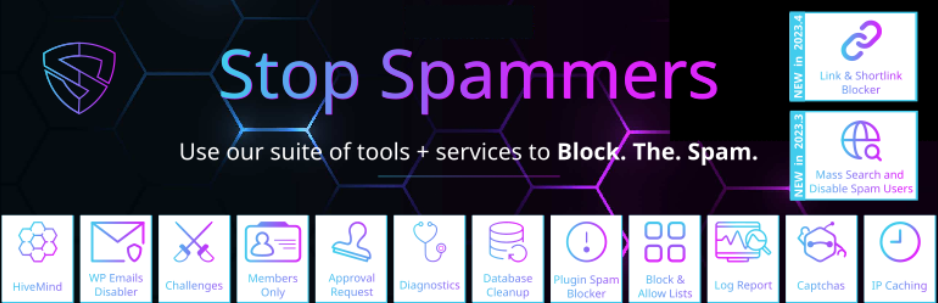
Stop Spammers is your spam Swiss Army knife. It doesn’t just stop spam; it prevents it from ever getting in. With features like country blocking, IP checks, and customizable rules, you’re in control.
Spam doesn’t have to ruin your day – or your inbox. With these seven WordPress plugins, you’ve got the tools to say “no” to spam and “yes” to a clean Contact Form 7 experience. Whether you want a digital bouncer, a sneaky honeypot, or a silent guardian, there’s a plugin here for you. So, go ahead, pick your spam-fighting sidekick and enjoy a spam-free website!