Let’s dive deep into the world of landing pages and how they can be your secret weapon for turning website visitors into loyal credit union members. Say goodbye to bland landing pages and hello to conversion success!
Understanding Websites, Landing Pages, and Microsites:
Before we jump into the nitty-gritty of creating killer landing pages, let’s first clarify the differences between websites, landing pages, and microsites.
1. Website: Your credit union’s website serves as its online headquarters—a comprehensive collection of interconnected web pages providing information about your institution, its services, and more. It’s where visitors go to learn about your credit union as a whole.
2. Landing Page: Now, here’s where things get interesting. A landing page is a standalone web page created for a specific marketing campaign or goal. Unlike your main website, a landing page has a singular focus—to convert visitors into leads or customers.
3. Microsite: Think of a microsite as a smaller, specialized website focused on a specific campaign, product, or event. It’s like a mini-website with its own unique URL and content, often designed to complement your main website.
Leveraging Landing Pages for Credit Union Success:
Now that we understand the differences between websites, landing pages, and microsites, let’s explore how credit unions can leverage the power of landing pages to acquire new members for example, through auto loans and home equity lines of credit (HELOC).
1. Auto Loan Landing Page: Imagine a potential member searching online for the best auto loan rates in your area. With a dedicated auto loan landing page, you can capture their attention and guide them through the loan application process seamlessly. Include compelling visuals, clear and specific calls-to-action, and an easy-to-use application form to maximize conversions.
2. HELOC Landing Page: Homeowners in need of extra cash may be considering a home equity line of credit (HELOC). Create a HELOC landing page that highlights the benefits of tapping into their home’s equity with your credit union. Showcase competitive rates, flexible terms, and the convenience of accessing funds when needed.
Landing Page Checklist:
Creating an effective landing page requires attention to detail and a focus on conversion optimization. Here’s a checklist of must-haves and what to avoid:
Must-Haves:
– Clear and Compelling Headline: Grab visitors’ attention with a headline that clearly communicates the value proposition of your offer.
– Concise and Persuasive Copy: Keep your messaging clear, concise, and focused on the benefits of your offer. Use persuasive language to encourage action.
– Eye-Catching Visuals: Incorporate high-quality images or videos that visually represent your offer and draw visitors’ attention.
– Strong Call-to-Action (CTA): Use a prominent CTA button that stands out and clearly directs visitors to take the desired action, whether it’s applying for a loan or contacting your credit union.
– User-Friendly Form: Keep your form short and easy to fill out, asking for only essential information. Consider using progressive profiling to gather additional information over time.
– Social Proof: Include testimonials, reviews, or trust badges to build credibility and trust with visitors.
– Mobile Optimization: Ensure your landing page is fully responsive and optimized for mobile devices to provide a seamless user experience across all devices.
What to Avoid:
– Cluttered Design: Keep your landing page design clean and uncluttered to avoid overwhelming visitors.
– Confusing Navigation: Remove navigation links that could distract visitors from the main goal of your landing page.
– Lengthy Forms: Avoid asking for too much information upfront, as it can deter visitors from completing the form.
– Weak or Generic CTA: Use strong, action-oriented language for your CTA button to encourage visitors to take action.
By following this checklist and crafting compelling landing pages tailored to specific products and services credit unions can effectively capture the attention of potential members and drive conversions. So go ahead, optimize your landing pages, and watch as your credit union attracts and converts new members with ease!
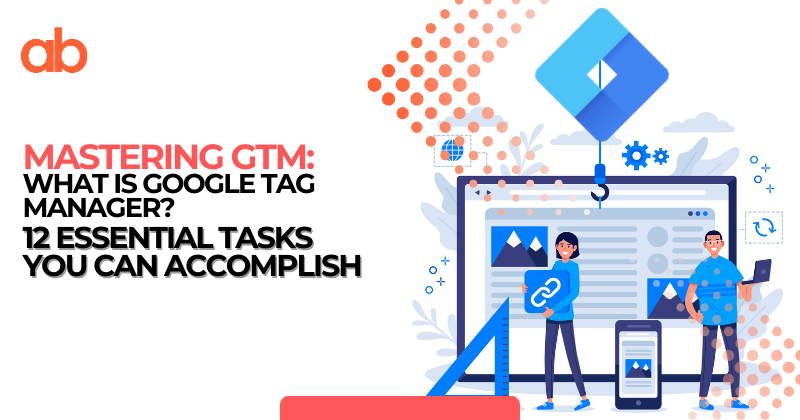
In the fast-paced world of digital marketing, tracking and managing various tags and scripts on your website can be a cumbersome task. Enter Google Tag Manager (GTM), a powerful tool that streamlines the process of deploying and managing tags without the need for manual coding. In this comprehensive guide, we’ll delve into what Google Tag Manager is, explore best practices for implementation, and highlight 12 essential tasks you can accomplish with GTM.
Here is a quick overview of what you’ll learn today:
- What is Google Tag Manager?
- 12 Essential Tasks You Can Accomplish with Google Tag Manager
- Best Practices For Google Tag Manager Implementation
What is Google Tag Manager?
Google Tag Manager is a free tool provided by Google that allows you to manage and deploy tags on your website without modifying the website code directly. Tags are snippets of code that track user interactions, such as page views, form submissions, and clicks on outbound links. GTM provides a user-friendly interface for adding, updating, and removing tags, making it easier for marketers and website owners to implement tracking scripts and marketing tags without relying on developers.
12 Essential Tasks You Can Accomplish with Google Tag Manager
- Track Page Views:
- Deploy Google Analytics or other analytics tags to monitor every page view on your website.
- Gain insights into popular pages, user navigation patterns, and content engagement.
- Event Tracking:
- Capture specific user interactions like clicks on buttons, form submissions, and video plays.
- Understand how users engage with dynamic elements and identify areas for optimization.
- E-commerce Tracking:
- Implement tags to monitor transactional data such as purchases, revenue, and product performance.
- Analyze sales trends, identify top-performing products, and optimize your online store for conversions.
- Scroll Tracking:
- Measure user engagement by tracking how far users scroll down a page.
- Optimize page layouts and content visibility based on scroll behavior.
- Form Submission Tracking:
- Monitor conversion rates by tracking form submissions for contact forms, sign-ups, and lead generation forms.
- Optimize form fields and reduce friction to increase conversions.
- Social Media Tracking:
- Monitor clicks on social media buttons and track conversions from social media campaigns.
- Identify top-performing platforms and refine your social media strategy accordingly.
- Outbound Link Tracking:
- Gain insights into referral traffic by tracking clicks on outbound links to other websites.
- Optimize link-building strategies and build partnerships with external sources.
- File Download Tracking:
- Gauge content engagement by monitoring downloads of files such as PDFs or whitepapers.
- Identify popular content topics and tailor your content strategy accordingly.
- Custom JavaScript Tags:
- Execute custom JavaScript code for advanced tracking and functionality beyond standard tag deployments.
- Implement custom event tracking, dynamic content updates, and user behavior tracking.
- Re-marketing Tags:
- Target users with personalized ads based on their interactions with your website.
- Re-engage users and drive conversions with targeted remarketing campaigns.
- Page Speed Monitoring:
- Identify performance bottlenecks and optimize website speed by tracking page load times and render times.
- Enhance user experience and improve website performance based on performance metrics.
- Third-Party Integrations:
- Extend GTM’s capabilities by integrating tags from third-party tools like Facebook Pixel and LinkedIn Insight Tag.
- Consolidate data from multiple sources and gain deeper insights into user behavior and marketing performance.
[monsterinsights_popular_posts_inline]
Best Practices for Google Tag Manager Implementation
- Create a Structured Naming Convention:
- Use descriptive and consistent names for tags, triggers, and variables to maintain organization.
- Utilize Built-in Variables:
- Take advantage of GTM’s built-in variables, such as page URL, to dynamically fire tags based on specific conditions.
- Version Control and Documentation:
- Implement version control to track changes and document the purpose of each tag and trigger.
- Test Before Deployment:
- Use GTM’s preview mode to test tags before publishing changes to ensure they are firing correctly.
- Keep Container Snippet Updated:
- Regularly update the GTM container snippet on your website to ensure compatibility with the latest features and security patches.
By leveraging Google Tag Manager to accomplish these essential tasks, you can gain deeper insights into user behavior, optimize website performance, and enhance your digital marketing efforts. With its flexibility, scalability, and ease of use, GTM empowers marketers and website owners to efficiently manage their website tracking and marketing tags, driving informed decision-making and maximizing ROI.
You might also like…
In today’s fast-paced digital world, the landscape of digital marketing is constantly evolving. To stay ahead of the curve and remain competitive in the ever-changing digital realm, businesses need to adapt and embrace the latest trends and technologies. As we look ahead to 2024, here are some of the top digital marketing trends that you should keep an eye on.
1. Artificial Intelligence (AI) and Machine Learning
Artificial Intelligence (AI) and Machine Learning are set to revolutionize digital marketing in 2024. These technologies offer a wealth of opportunities for marketers:
- Data Analysis: AI-driven algorithms can analyze large datasets in real-time, extracting valuable insights that inform marketing strategies. Marketers can understand consumer behavior, preferences, and trends more effectively.
- Automation: Machine Learning enables automation of repetitive tasks, such as email marketing, ad targeting, and content curation. This not only saves time but also reduces human error.
- Personalization: AI can create personalized user experiences. For instance, AI chatbots can engage with website visitors in a customized manner, offering product recommendations or answering queries.
- Predictive Analytics: Machine Learning can predict future trends and consumer behavior, helping marketers make data-driven decisions. This is particularly valuable in demand forecasting and content creation.
2. Voice Search Optimization
With the increasing popularity of voice-activated devices such as smart speakers and virtual assistants, voice search optimization is a trend to watch. Marketers will need to adapt their SEO strategies to cater to voice search queries, which often differ in structure and content from traditional text-based searches.
- Natural Language Processing: Content must align with how people naturally speak. Marketers need to focus on long-tail keywords and conversational content.
- Local SEO: Voice searches often have local intent, making local SEO strategies crucial for businesses that rely on foot traffic.
- Featured Snippets: Google often sources voice search answers from featured snippets. Marketers should aim to appear in these rich search results.
3. Video Content Dominance
Video marketing has been on the rise for years, but in 2024, it will be more important than ever. Live streaming, short-form videos, and interactive video content will take center stage in digital marketing strategies. Video content not only grabs users’ attention but also keeps them engaged longer, leading to higher conversion rates.
- Live Streaming: Live video captures real-time engagement. It’s perfect for product launches, behind-the-scenes glimpses, and Q&A sessions, fostering a sense of connection.
- Short-Form Videos: Platforms like TikTok and Instagram Reels are thriving. Marketers can create short, catchy videos to showcase products or services creatively.
- Interactive Videos: Interactive elements like quizzes or clickable hotspots within videos encourage engagement and provide a personalized experience.
4. Privacy and Data Protection
With increasing concerns about data privacy and regulations like GDPR and CCPA, marketers will need to prioritize user data protection and transparency in their digital marketing efforts. Ethical and responsible data usage will be crucial to maintaining trust with consumers.
- Consent: Obtain explicit consent for data usage and explain how it will be used.
- Transparency: Be transparent about data collection and use, providing clear privacy policies and terms of service.
- Compliance: Stay updated with data protection regulations like GDPR and CCPA to ensure your marketing practices are compliant.
5. Augmented reality (AR) and virtual reality (VR)
AR and VR technologies are becoming more accessible and affordable. Marketers can leverage these immersive technologies to create interactive and engaging experiences for consumers. Whether it’s trying on virtual clothes or touring a potential vacation destination, AR and VR will become more integral to marketing strategies.
- Virtual Try-Ons: Retail brands can create AR experiences that allow customers to try on clothing or accessories virtually.
- Virtual Tours: Real estate companies can provide virtual property tours, enhancing the customer experience.
- Branded Games and Experiences: Companies can create interactive AR or VR games or experiences that promote their products or services.
6. Content Personalization
Consumers now expect highly personalized content tailored to their interests and preferences. Marketers will increasingly use data-driven insights to create personalized marketing campaigns. Dynamic content, AI-driven personalization, and advanced segmentation will help deliver the right message to the right audience at the right time.
- Dynamic Content: Marketers can change content elements in real time based on user behavior, demographics, or other factors.
- AI-Driven Personalization: Artificial intelligence can analyze user data to serve up the most relevant content, be it product recommendations or blog posts.
- Advanced Segmentation: Segmenting the audience into smaller, more targeted groups allows for hyper-personalized messaging.
7. Sustainability and Ethical Marketing
Sustainability and ethical concerns are growing among consumers. Brands that can demonstrate their commitment to social and environmental responsibility will gain a competitive edge. Ethical marketing practices, such as eco-friendly products and transparent supply chains, will resonate with conscious consumers.
- Eco-Friendly Products: Brands can promote sustainable products and manufacturing processes.
- Transparency: Transparency in the supply chain and ethical business practices are appealing to conscious consumers.
- Cause Marketing: Aligning with social or environmental causes can forge a strong emotional connection with customers.
8. Influencer Marketing Evolution
Influencer marketing will continue to evolve, with brands looking for authentic partnerships with micro- and nano-influencers who have highly engaged, niche audiences. Authenticity and credibility will be the keys to successful influencer marketing campaigns in 2024.
- Micro and Nano-Influencers: Brands are turning to smaller influencers with niche audiences for more authentic and targeted marketing.
- Long-Term Partnerships: Building long-term relationships with influencers fosters a deeper connection between the influencer and the brand.
- Diverse Representation: Brands are diversifying their influencer pool to be more inclusive and representative of their target audience.
9. Ephemeral Content
Ephemeral content, like Stories on platforms like Instagram, Snapchat, and Facebook, will remain a popular format for sharing time-sensitive content. Marketers can take advantage of this trend by creating temporary, engaging content that encourages immediate action.
- Urgency and Scarcity: Ephemeral content creates a sense of urgency, encouraging users to act quickly.
- Behind the Scenes: Companies can use Stories to provide a glimpse into their daily operations, fostering transparency.
- Polls and Quizzes: Interactive elements like polls and quizzes engage the audience and encourage participation.
10. 5G Technology
The rollout of 5G networks will significantly impact digital marketing by providing faster and more reliable internet connections. This will open up new opportunities for real-time interactions, augmented reality experiences, and more data-intensive content.
- Faster Loading Times: Faster internet speeds result in quicker page loads, reducing bounce rates and improving user experiences.
- Augmented Reality (AR): 5G enables smoother and more interactive AR experiences, like real-time product visualizations.
- Enhanced Video Quality: Videos, especially high-quality live streams and 4K content, can be delivered without buffering.
In 2024, digital marketing is poised to continue its rapid evolution. Embracing these trends and technologies will be vital for businesses looking to connect with their audience in innovative and meaningful ways. Stay ahead of the curve, adapt to the changing landscape, and position your brand for success in the digital realm.
In today’s fast-paced digital world, your website serves as the virtual face of your business. It’s often the first point of contact for potential customers, making a lasting impression that can impact their decision to engage with your brand. However, as digital trends and user expectations evolve, even the most well-designed websites can become outdated or ineffective over time. Here are 10 signs that it might be time for a website redesign:
1. Outdated Design: If your website design looks like it’s from a bygone era, it’s likely turning visitors away. Modern, visually appealing designs are crucial for capturing and retaining user attention.
2. Slow Load Times: Slow-loading pages can frustrate visitors and harm your search engine rankings. A redesign can optimize your website’s speed for a better user experience.
https://pagespeed.web.dev/
3. Non-Responsive Design: With mobile usage on the rise, having a responsive design that adapts seamlessly to different screen sizes is essential. If your website isn’t mobile-friendly, it’s time for an update.
4. High Bounce Rates: If visitors are leaving your site shortly after arriving, it could indicate a lack of engaging content or confusing navigation. A redesign can address these issues and encourage longer stays.
https://gtmetrix.com/
5. Low Conversion Rates: If your website isn’t converting visitors into leads or customers, a redesign can focus on improving your calls-to-action, forms, and overall user journey.
6. Poor User Experience: An intuitive and user-friendly interface is paramount. If users struggle to find information or navigate your site, it’s time to reevaluate your design.
7. Outdated Content: If your content hasn’t been updated in a while, it can impact your credibility and search engine rankings. A redesign can include content refreshment to reflect your current offerings and expertise.
8. Ineffective Branding: Your website should reflect your brand identity consistently. If your branding has evolved or changed, a redesign can ensure your online presence aligns with your brand’s image.
9. Limited Functionality: If your website lacks essential features or integrations, you could be missing out on valuable opportunities. A redesign can incorporate the latest technology to enhance user experience.
10. Decline in Traffic and Engagement: If your website’s traffic and engagement metrics are steadily declining, it’s a strong indicator that something needs to change. A redesign can reinvigorate interest and engagement.
In a digital landscape that’s constantly evolving, a website redesign can breathe new life into your online presence, ensuring that it remains effective, engaging, and aligned with your business goals. If you’ve noticed one or more of these signs, it’s time to consider investing in a redesign that revitalizes your brand’s digital image and enhances user experiences. Don’t let an outdated website hold your business back – embrace the opportunity for transformation and growth.
Ready to give your website the makeover it deserves? Contact AB Digital today to discuss how our expert team can help you create a website that stands out in the digital crowd.
Remember, your website is a reflection of your brand – make it count!
We are natural-born storytellers. From cave paintings to epic novels, and from fireside tales to blockbuster films, stories have always been our preferred medium of communication. In the age of digital content, this age-old art can set you apart, transform your content from mundane to magnetic, and elevate your brand or message to new heights.
1. Understand Your Audience
To tell a story that resonates, first understand whom you’re telling it to.
- Demographics and Psychographics: Age, profession, interests, and cultural background all play a role in how an audience perceives a story.
- Pain Points and Desires: What problems does your audience face? What do they aspire to? By identifying these, your story can offer solutions or inspire action.
2. Craft a Relatable Protagonist
Every good story needs a hero. When your audience sees themselves in your protagonist, you’ve won half the battle.
- Human Qualities: Flaws, emotions, desires – these humanize your character and make them memorable.
- The Journey: Showcase the protagonist’s journey, complete with challenges and triumphs. It’s this journey that your audience will root for.
3. Build a Strong Narrative Arc
A compelling story follows a structure.
- Beginning (Setup): Introduce your characters and the world they inhabit.
- Middle (Conflict): Present the problem or challenge. This is where the tension builds.
- End (Resolution): Conclude the story, showcasing the results or the lesson learned.
4. Use Vivid Imagery and Descriptive Language
While your narrative is the skeleton of your story, descriptive language and imagery are its flesh and blood.
- Show, Don’t Tell: Instead of saying “he was sad,” show it by describing his teary eyes or the way he slumped in his chair.
- Engage the Senses: Draw upon the senses of sight, sound, touch, taste, and smell to immerse your readers in the world you’ve created.
5. Evoke Emotion
Emotion is the thread that ties your audience to your content.
- Authenticity: Genuine emotion resonates. Don’t force sentimentality; let it flow from the narrative.
- Variety: Stories are roller-coasters. Mix moments of joy, surprise, sadness, and inspiration to keep your audience engaged.
6. Tie It Back To Your Purpose
A story without a purpose is just entertainment. For compelling content, ensure your story always aligns with your message or brand.
- Clear Message: What do you want your audience to take away? Whether it’s a lesson, an emotion, or a call to action, make it clear.
- Consistency: Ensure the theme, tone, and message remain consistent throughout your narrative.
Mastering the art of storytelling is more than just stringing words together; it’s about weaving a tapestry of emotion, purpose, and connection. As you embark on your storytelling journey, remember to keep your audience at the heart of your tale, and you’ll create content that not only captivates but also leaves a lasting impression.
Whether you’re a brand, an influencer, or simply someone with a message to share, mastering the art of storytelling can unlock doors and create connections like never before. Dive in, and let your narrative journey begin.