In today’s fast-paced digital world, your website serves as the virtual face of your business. It’s often the first point of contact for potential customers, making a lasting impression that can impact their decision to engage with your brand. However, as digital trends and user expectations evolve, even the most well-designed websites can become outdated or ineffective over time. Here are 10 signs that it might be time for a website redesign:

1. Outdated Design: If your website design looks like it’s from a bygone era, it’s likely turning visitors away. Modern, visually appealing designs are crucial for capturing and retaining user attention.

2. Slow Load Times: Slow-loading pages can frustrate visitors and harm your search engine rankings. A redesign can optimize your website’s speed for a better user experience.

https://pagespeed.web.dev/

3. Non-Responsive Design: With mobile usage on the rise, having a responsive design that adapts seamlessly to different screen sizes is essential. If your website isn’t mobile-friendly, it’s time for an update.

4. High Bounce Rates: If visitors are leaving your site shortly after arriving, it could indicate a lack of engaging content or confusing navigation. A redesign can address these issues and encourage longer stays.

https://gtmetrix.com/

5. Low Conversion Rates: If your website isn’t converting visitors into leads or customers, a redesign can focus on improving your calls-to-action, forms, and overall user journey.

6. Poor User Experience: An intuitive and user-friendly interface is paramount. If users struggle to find information or navigate your site, it’s time to reevaluate your design.

7. Outdated Content: If your content hasn’t been updated in a while, it can impact your credibility and search engine rankings. A redesign can include content refreshment to reflect your current offerings and expertise.

8. Ineffective Branding: Your website should reflect your brand identity consistently. If your branding has evolved or changed, a redesign can ensure your online presence aligns with your brand’s image.

9. Limited Functionality: If your website lacks essential features or integrations, you could be missing out on valuable opportunities. A redesign can incorporate the latest technology to enhance user experience.

10. Decline in Traffic and Engagement: If your website’s traffic and engagement metrics are steadily declining, it’s a strong indicator that something needs to change. A redesign can reinvigorate interest and engagement.

In a digital landscape that’s constantly evolving, a website redesign can breathe new life into your online presence, ensuring that it remains effective, engaging, and aligned with your business goals. If you’ve noticed one or more of these signs, it’s time to consider investing in a redesign that revitalizes your brand’s digital image and enhances user experiences. Don’t let an outdated website hold your business back – embrace the opportunity for transformation and growth.

Ready to give your website the makeover it deserves? Contact AB Digital today to discuss how our expert team can help you create a website that stands out in the digital crowd.

Remember, your website is a reflection of your brand – make it count!

Social media has become an essential tool for businesses across all sectors, and the medical field is no exception. From dentist clinics to specialist physicians, the healthcare industry is rapidly realizing the benefits of connecting with their patients through social platforms. Yet, the sensitive nature of healthcare requires careful navigation. Here, we’ll delve into the do’s and don’ts of social media marketing specifically tailored for dental and medical offices.

The Do’s:

  1. Engage and Educate
    • Share relevant articles, infographics, or short video clips on common health topics related to your field. These can be about oral hygiene tips, the importance of regular check-ups, or general health advice.
  2. Showcase Testimonials and Success Stories
    • With patient consent, share before-and-after photos, especially for cosmetic dental procedures or successful medical treatments. They provide tangible evidence of your skills and can be persuasive for potential patients.
  3. Introduce Your Team
    • Share posts or stories that provide a glimpse of the team behind the scenes. This can humanize your practice and make it easier for patients to relate.
  4. Highlight Promotions or Special Offers
    • Use your platforms to announce any seasonal promotions, discounts, or new patient specials.
  5. Stay Active and Consistent
    • Regular posting keeps your audience engaged and your practice top-of-mind. It also helps in building a loyal online community.
  6. Engage in Conversations
    • If a patient leaves a positive comment or asks a general question, make sure to reply. It shows you value feedback and engagement.

The Don’ts:

  1. Avoid Sharing Personal Patient Information
    • Given the strict guidelines of HIPAA, never share private patient details. Even if a patient gives consent, it’s wise to be cautious and maintain professionalism.
  2. Don’t Provide Medical Advice
    • Avoid giving specific medical or dental advice on social media. Instead, encourage individuals to visit your office for consultations.
  3. Avoid Being Overly Promotional
    • While it’s okay to showcase your services, ensure that your feed isn’t just about selling. Aim for a mix of educational, engaging, and promotional content.
  4. Don’t Ignore Negative Feedback
    • Respond professionally to any criticism or negative reviews. This can show other patients that you value feedback and are committed to improving.
  5. Avoid Controversial Topics
    • Stay clear of topics that can be divisive, be it political, religious, or otherwise. Keep your focus on healthcare and related subjects.
  6. Don’t Neglect Visual Aesthetics
    • Ensure any images or graphics shared are of high quality. Poor visuals can make your practice appear unprofessional.

In conclusion, when utilized thoughtfully, social media can be a powerful tool for dental and medical offices to increase visibility, engagement, and trust among current and potential patients. By adhering to these do’s and don’ts, healthcare professionals can maintain their credibility and reputation while effectively reaching their audience in the digital age.

We are natural-born storytellers. From cave paintings to epic novels, and from fireside tales to blockbuster films, stories have always been our preferred medium of communication. In the age of digital content, this age-old art can set you apart, transform your content from mundane to magnetic, and elevate your brand or message to new heights.


1. Understand Your Audience

To tell a story that resonates, first understand whom you’re telling it to.


2. Craft a Relatable Protagonist

Every good story needs a hero. When your audience sees themselves in your protagonist, you’ve won half the battle.


3. Build a Strong Narrative Arc

A compelling story follows a structure.


4. Use Vivid Imagery and Descriptive Language

While your narrative is the skeleton of your story, descriptive language and imagery are its flesh and blood.


5. Evoke Emotion

Emotion is the thread that ties your audience to your content.


6. Tie It Back To Your Purpose

A story without a purpose is just entertainment. For compelling content, ensure your story always aligns with your message or brand.


Mastering the art of storytelling is more than just stringing words together; it’s about weaving a tapestry of emotion, purpose, and connection. As you embark on your storytelling journey, remember to keep your audience at the heart of your tale, and you’ll create content that not only captivates but also leaves a lasting impression.

Whether you’re a brand, an influencer, or simply someone with a message to share, mastering the art of storytelling can unlock doors and create connections like never before. Dive in, and let your narrative journey begin.

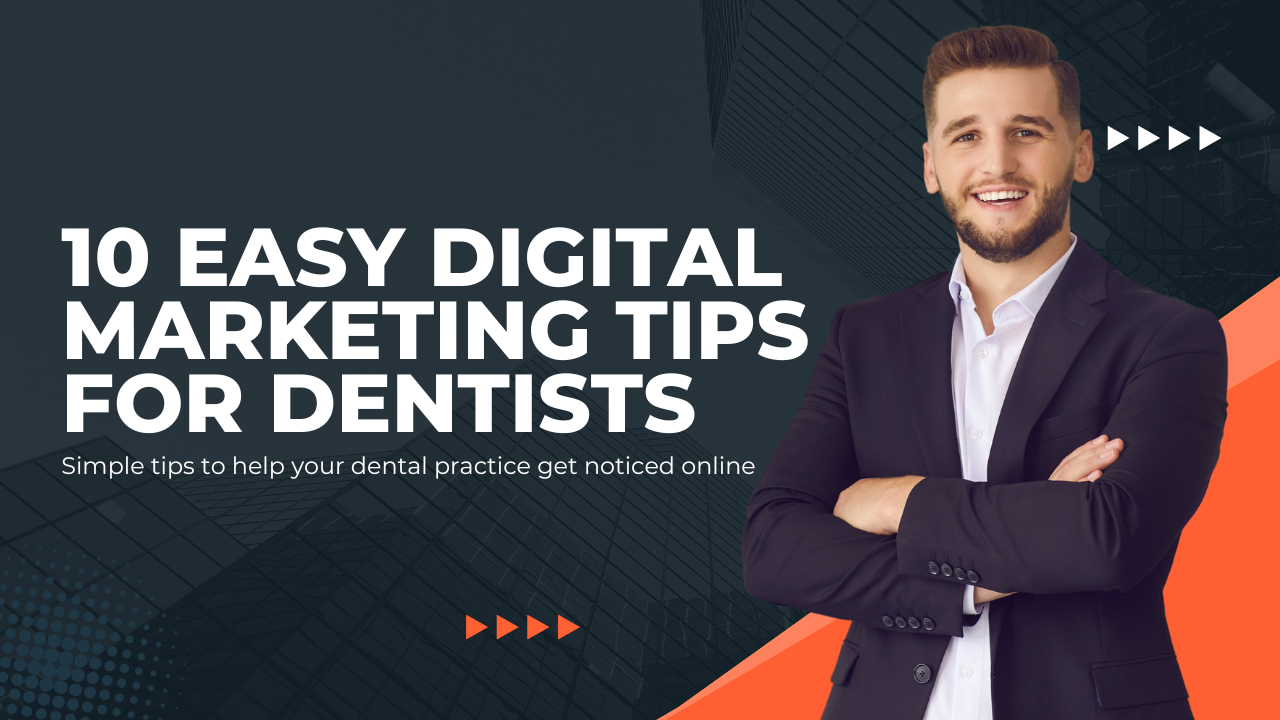
Here are 10 simple tips to help your dental practice get noticed online and attract more patients.

Digital marketing is a great way for businesses to connect with customers, and dental practices can benefit too. To stand out in the competitive dental industry, you need some smart marketing strategies.

1. Improve Your Website Design

Your website is the foundation of your online presence.

Make sure your site is easy to use, works well on mobile devices, and includes important information like services, pricing, location, and contact details. A clean, attractive design with easy navigation can help bring in more patients.

Related: 10 Essential Website Must-Haves for Dentists

2. Use SEO

Search Engine Optimization (SEO) helps your website show up in search results on Google. Use relevant keywords, make sure your site loads quickly, build quality links, and create interesting content. This helps people find your practice when they search for dental services.

Related Post: The Power Of Local SEO For Dental Practices

3. Focus on Local SEO

Local SEO helps your practice show up in local search results. Claim and optimize your Google My Business listing, update your practice’s name, address, and phone number (NAP) across all online platforms, and encourage patients to leave reviews.

4. Try PPC Advertising

Pay-Per-Click (PPC) advertising on Google can place your dental practice at the top of search results for specific keywords. While SEO takes time, PPC offers immediate visibility and can quickly attract new patients.

Related Post: The Basics of PPC Advertising: What It Is and How It Works

5. Be Active on Social Media

Social media is a great way to connect with current and potential patients. Post regularly, interact with your followers, and use social media ads to reach more people. Platforms like Facebook and Instagram also offer tools for booking appointments, making it easy for patients to contact you.

6. Use Video Marketing

Videos are fun and easy to watch. Create videos showing behind-the-scenes at your practice, patient testimonials, or answers to common dental questions. Share these videos on your website, social media, and YouTube channel.

7. Start an Email Marketing Campaign

Email marketing helps you stay in touch with your patients. Send newsletters with dental care tips, service updates, special offers, and reminders for routine check-ups. Personalize your emails to meet the specific needs of your patients.

Related: Nurturing Campaigns: The Secret to Increasing Conversions and Revenue

8. Get Online Reviews

Online reviews are important when people are choosing a dentist. Ask happy patients to leave reviews on Google, Yelp, and other platforms. Positive reviews build your practice’s online reputation and trustworthiness.

Related Post: The Dos and Don’ts of Asking for Reviews for Dentists

9. Create a Dental Blog

A dental blog lets you share useful information, answer common questions, and establish your practice as a dental authority. This not only drives traffic to your website but also boosts your SEO ranking.

10. Implement a Patient Referral Program

Even though it’s not strictly digital, a referral program can be promoted online. Encourage current patients to refer friends and family to your practice in return for discounts or free services. This can lead to loyal, long-term patients.

Related Post: The Dos and Don’ts of Asking for Reviews for Dentists

Grow Your Dental Practice

By using these easy digital marketing tips, your dental practice can reach new heights. It might seem challenging at first, but with consistent effort, the rewards are worth it. Successful digital marketing is about consistency, engagement, and providing value to your patients. Start now and watch your practice grow!